
Industrial Food Packaging / Organised catering
PACKLIFE MICROWAVE COOKING SYSTEM
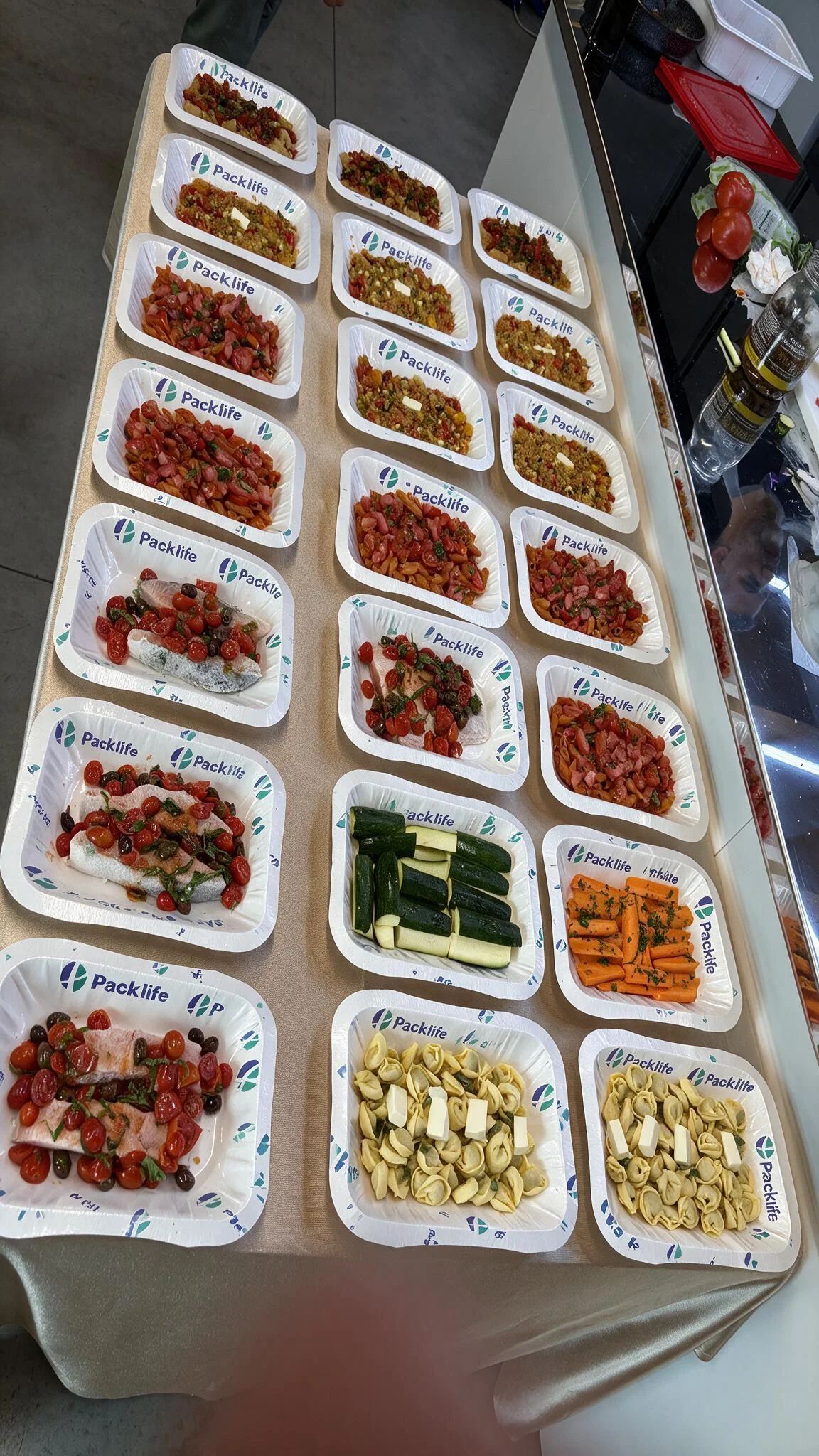
The challenge
The project combines microwave cooking technology with the use of predominantly cellulose-based food containers that are extremely high performing, environmentally sustainable and certified, in order to significantly reduce operating and energy costs, food waste and trimmings in organised catering.
The solution
High-performance, certified, environmentally sustainable and customisable containers, suitable for microwave cooking and regeneration and for storage in a modified atmosphere (MAP), used within a "closed" system where cooking and pasteurisation technology is governed by certified standards embedded in fully computerised processes operated by low-specialisation labour.
An integrated platform for producing high-quality ready meals while reducing costs, waste and energy consumption.
The challenge
The project combines microwave cooking technology with sustainable, high-performance and predominantly cellulose-based food containers, offering an innovative solution for organised catering. The system helps reduce operating costs, staff management, food waste and energy consumption, while responding to growing consumer demand for ready meals.
The solution
The technological foundation consists of high-performance food containers that are certified, environmentally sustainable and customisable in both shape and artwork. The containers are suitable for microwave cooking and regeneration, as well as for storage in a modified atmosphere (MAP), cold chain storage, freezing and reheating.
Starting from the raw product, the system allows it to be cooked and/or pasteurised directly in the sealed container. Once processed, the product can be stored in MAP, refrigerated or frozen and subsequently regenerated for final consumption.
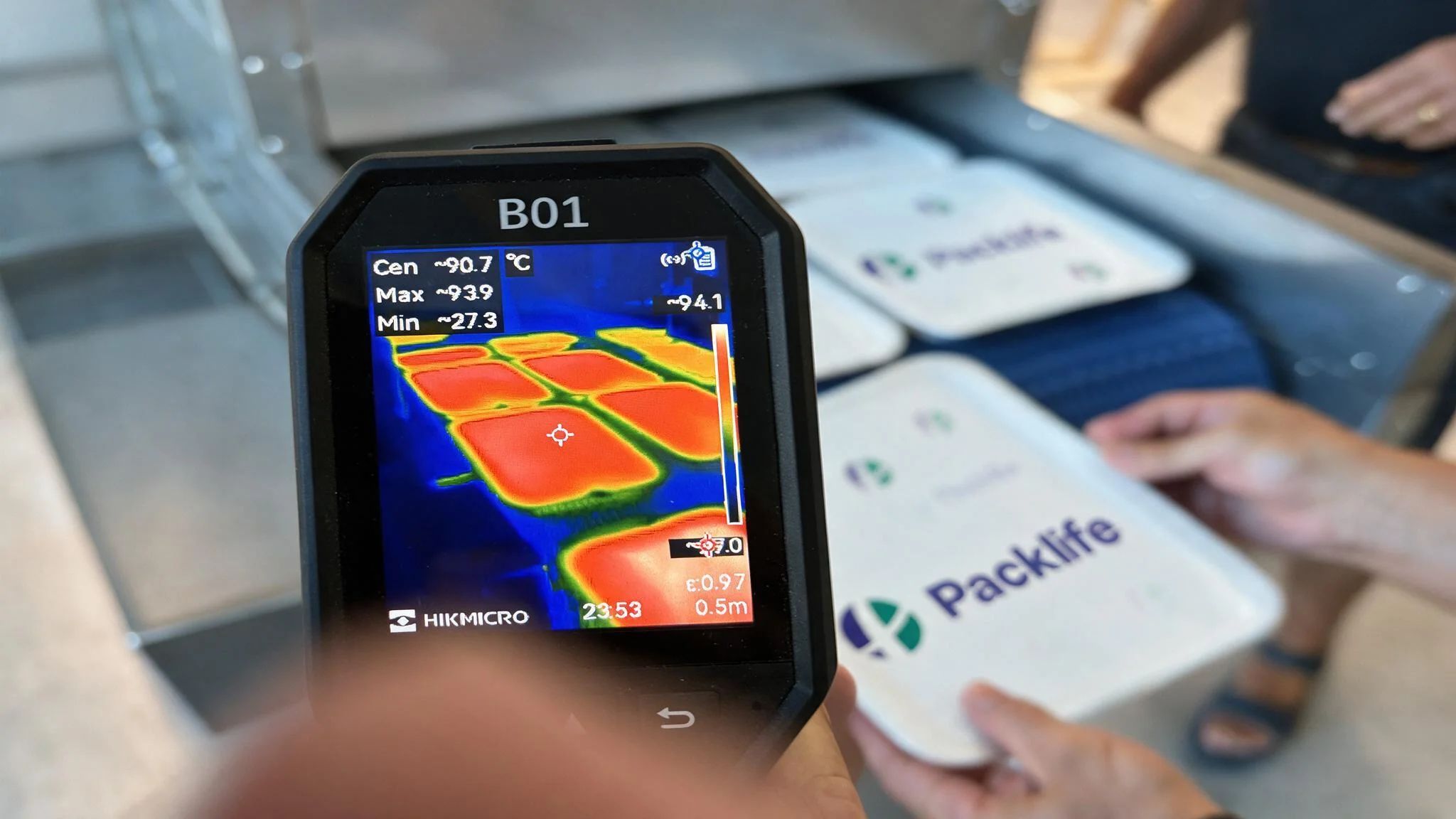
The result
The system's objectives:
- maximise the organoleptic and nutritional qualities of the food;
- guarantee high quality and food safety standards;
- keep the system simple to use even for low-specialisation staff;
- reduce energy consumption across the entire production chain.
The main advantages:
- a simple, fast and standardisable production process;
- cooking and pasteurisation integrated into a single stage;
- readiness for storage in a modified atmosphere (MAP);
- automated, controlled management of the production process;
- traceability and storage compliant with the standards required by the client;
- simple and fast pre-consumption regeneration;
- high adaptability to different menus, recipes and catering formats.
Advantages relating to the food product itself:
- packing and sealing while raw, reducing the risk of external contamination;
- greater respect for the natural characteristics of the ingredients thanks to controlled cooking times and temperatures;
- better preservation of taste, aroma and organoleptic characteristics;
- enhancement of the natural flavours of the food;
- better preservation of the original colour of the dishes;
- better retention of nutrients compared with traditional cooking methods;
- reduced need for added fats, salt, flavourings and seasonings;
- reduction or elimination of food additives;
- minimal loss of moisture and weight during processing;
- high, consistent and repeatable product quality.